Home / Articles
Why Do You Wake Up Swollen? Hidden Causes & How to Fix Them
Home / Articles
Why Do You Wake Up Swollen? Hidden Causes & How to Fix Them
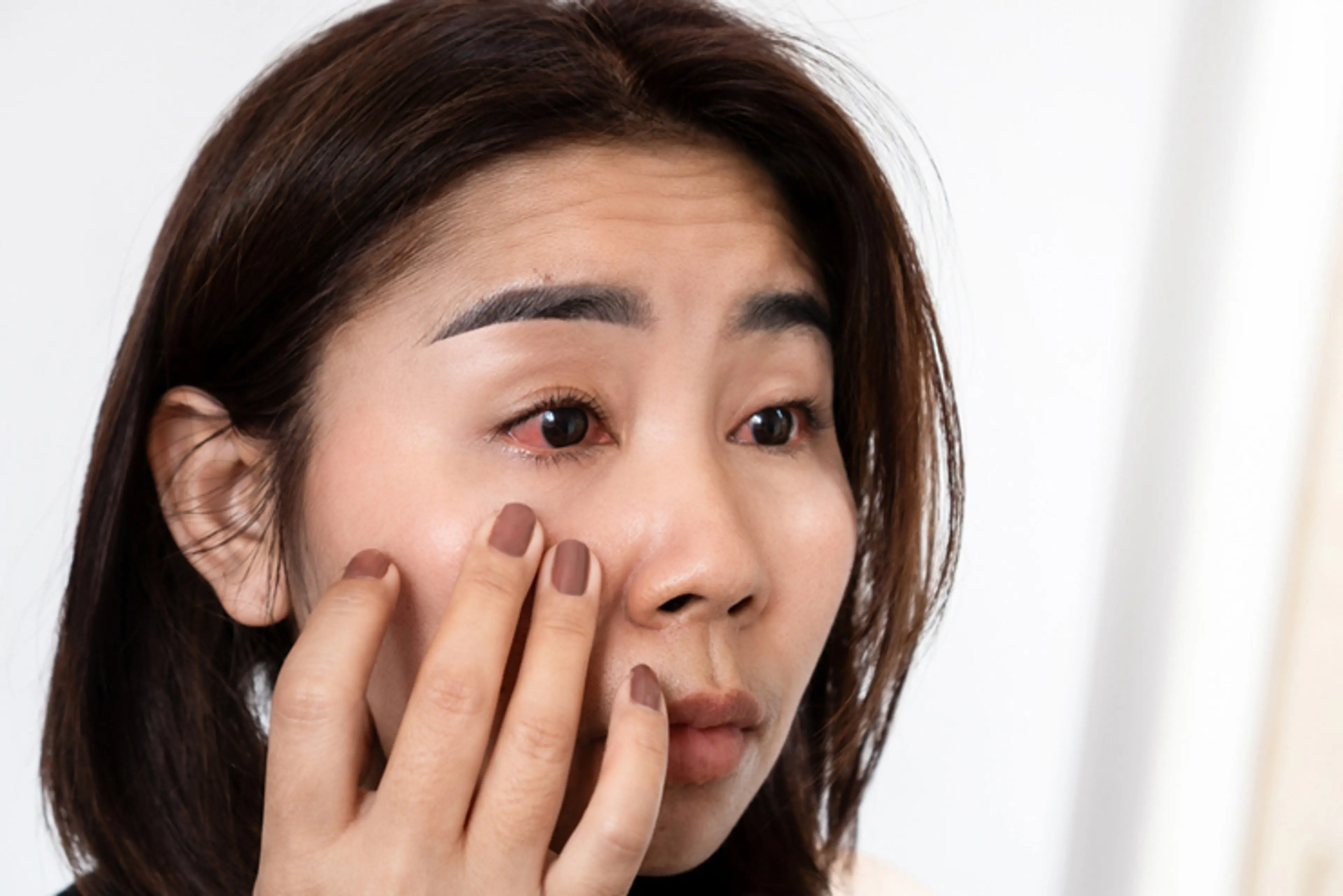
Eyes and eyelids
Fingers and hands
Ankles and feet
Face and lips
Lying flat for long hours can cause fluid to shift and pool in the face or limbs, especially if you sleep face-down or without elevation.
Sleep with your head slightly elevated using a pillow.
Try sleeping on your back to reduce fluid buildup.
A salty dinner or late-night snack can cause water retention, leading to puffiness when you wake up.
Avoid processed foods and salty meals at night.
Drink water to flush out excess sodium.
Women may experience swelling due to menstrual cycles, pregnancy, or menopause-related fluid retention.
Maintain a balanced diet rich in potassium.
Talk to your doctor if swelling is persistent or painful.
Ironically, not drinking enough water can lead to water retention as your body tries to hold onto fluids.
Drink enough water during the day.
Limit caffeine and alcohol, which dehydrate your body.
Alcohol dilates blood vessels and leads to dehydration, both of which can cause swelling the next morning.
Limit alcohol intake, especially late at night.
Rehydrate with water before going to sleep.
Allergic reactions, even mild ones, can cause facial puffiness or swollen eyelids.
Identify and avoid allergy triggers.
Use antihistamines if recommended by your doctor.
The lymphatic system helps remove waste and fluid. If it slows down during sleep, puffiness may occur.
Try light facial massage or dry brushing.
Gentle stretching or walking in the morning can help get fluids moving.
Monitor if swelling is persistent, painful, or gets worse.
See a healthcare professional for evaluation and diagnosis.
Sleep 7–8 hours per night.
Elevate your legs if you notice foot swelling.
Reduce processed foods and increase potassium-rich foods (bananas, spinach, avocados).
Splash cold water on your face or use a cold compress.
Do light stretching or yoga to stimulate circulation.
Drink a glass of warm water with lemon to boost digestion and drainage.
It happens daily and doesn’t improve with lifestyle changes
It’s painful or affects your ability to move
You notice swelling in only one limb or area